Practical Guide for Vietnam Importing China's Dried Sweet Potato & Chestnut (2026)
Vietnam's demand for snack foods, baking, and healthy snacks keeps growing, while local capacity is limited, so more and more Vietnamese buyers are turning their sourcing attention to China — especially Qianxi chestnuts and Hongyao sweet potatoes in Hebei. This is a practical guide for Vietnamese importers: from HS codes and Form E (ACFTA) tariffs to customs clearance documents and compliance key points, helping you land a Chinese agricultural product order safely, compliantly, and cost-effectively in a Vietnamese warehouse.
1. Why Vietnam Imports Dried Sweet Potato and Chestnut from China
China is one of the world's largest producers of sweet potato and chestnut; Qianxi in Hebei is a geographically indicated chestnut production area, and Hongyao sweet potato is known for its taste and stability. For Vietnamese buyers, geographic proximity, cost-effectiveness, and a mature supply chain are the three core advantages. But what truly determines the success or failure of an order is often the backendcertification compliance, stable supply, and tariff cost— which we break down one by one below.
2. Key HS Codes and Form E (ACFTA) Tariffs
Choosing the right HS code is the first step to smooth customs clearance and correct taxation. Common classifications are as follows (final determination subject to Vietnamese Customs classification):
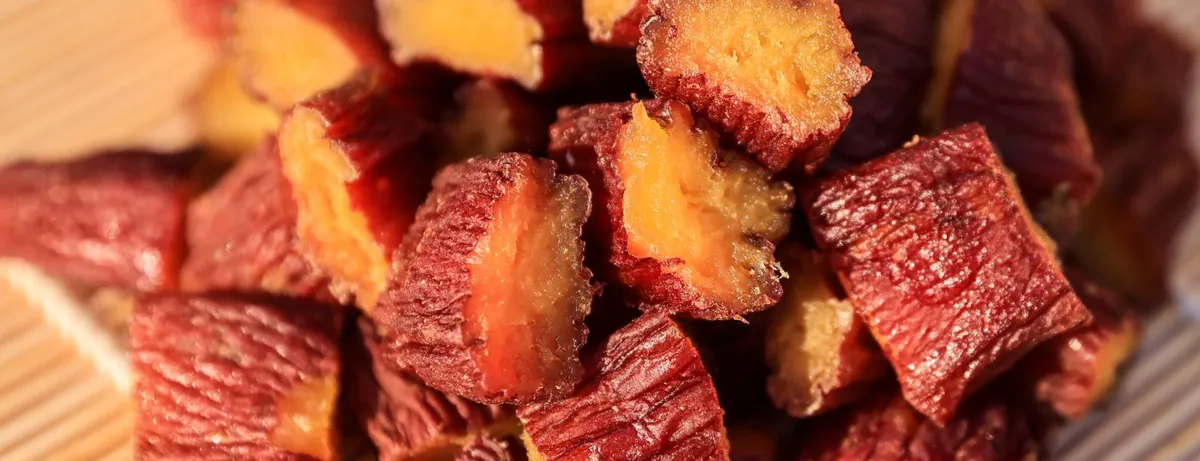
- Dried Sweet Potato (dried sweet potato): Usually classified under HS 0714.20 (Chapter 7 'dried sweet potato'). If the product is further candied or deeply processed, it may fall under Chapter 20 2005.xx, which must be confirmed with Vietnamese Customs based on the actual process.
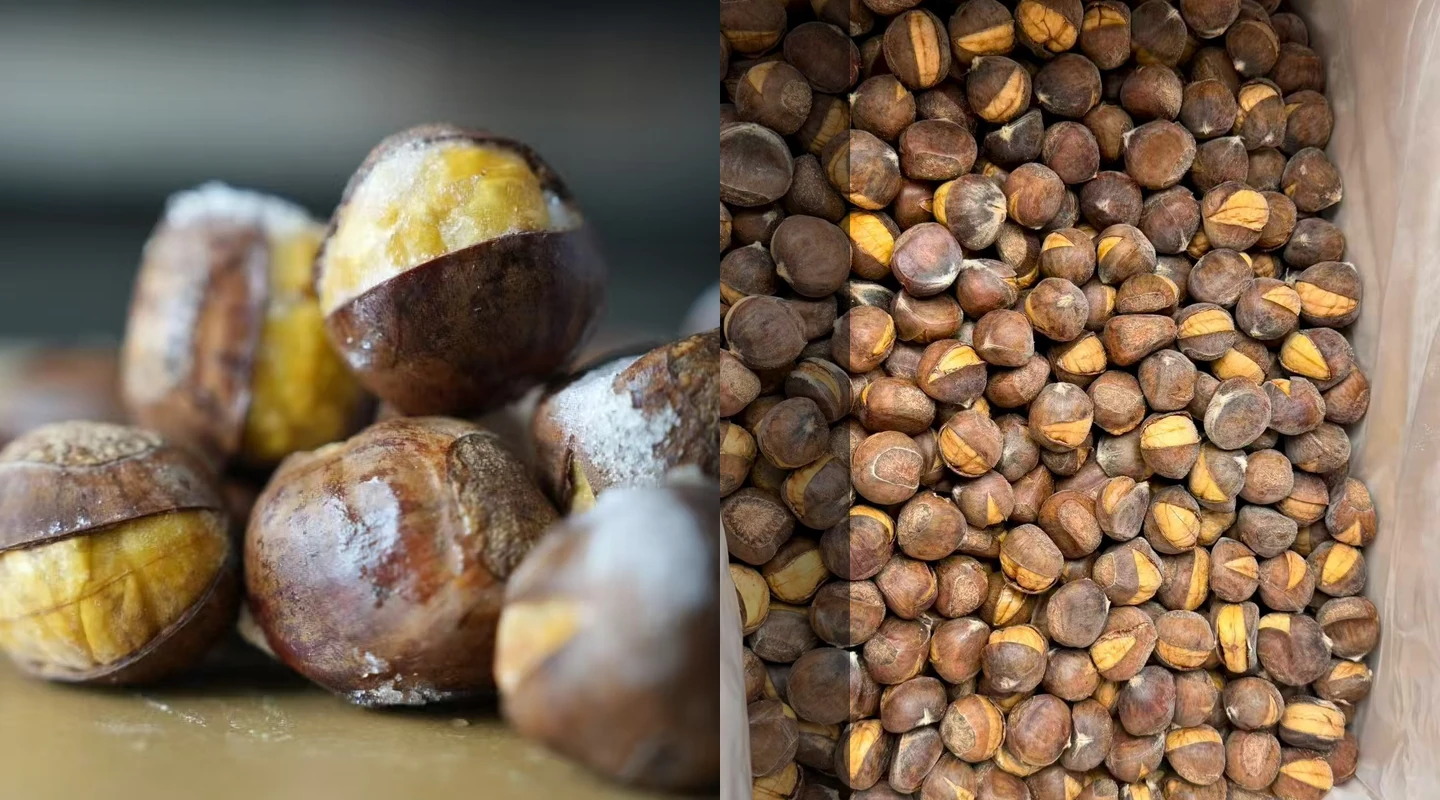
- Chestnut (cooked/sugared, e.g., Organic Chestnut Kernel, Iced Chestnut): Classified under HS 2008.19 (processed and preserved chestnuts).
- Frozen Sweet Potato Cubes, Honey Sweet Potato Sticks, etc.: Classified under HS 2008.99 (other processed and preserved vegetables).
On tariffs: Under the China–ASEAN Free Trade Area (ACFTA), goods of Chinese origin exported to Vietnam can, with a Form E (China–ASEAN Free Trade Area Preferential Certificate of Origin)Form E (China–ASEAN Free Trade Area preferential certificate of origin), apply for the agreement's preferential rate; most agricultural lines gradually move toward zero tariff within the transition period. Vietnam also continues to promote facilitation reforms for certificate of origin (C/O) issuance; importers can use standardized documents to process Form E for preferential tariffs, subject to the latest regulations of Vietnam's Ministry of Industry and Trade.
Note: The final agreement rate, reduction schedule, and transition period for each tariff code are subject to Vietnam's official Form E (ACFTA) tariff schedule and your customs broker's determination; this article does not list fixed numbers to avoid distortion.
3. List of Documents Required for Import
- Commercial Invoice and Packing List
- Bill of Lading
- Certificate of Origin:Form E (China–ASEAN Free Trade Area Certificate of Origin), for applying for the agreement's preferential tariff
- Phyto-sanitary Certificate
- Third-Party Test Report:Pesticide residue (per the importing country's MRL), heavy metals, microorganisms— It is recommended to include a traceable report issued by a CMA/CNAS-qualified laboratory with the shipment
- Label and Composition Compliance Documents
4. Quality and Compliance Controls (Our Capabilities)
For imported food, tariff is only the first door; compliance is the key to stable repeat ordering. Relying on its dedicated factory, NINGLI has the following capabilities:
- Holds JAS Organic, HALAL, HACCP, ISO22000, FDA registrationand other international certifications;
- Third-party CMA/CNAS test reports (hygiene, heavy metals, pesticide residue panel) can be provided upon request;
- The dedicated factory has actual Form E export performance to the ASEAN market and is familiar with origin compliance.
5. Logistics and Orders
Supports full container (FCL) and less-than-container (LCL) shipments; departs from northern Chinese ports to Ho Chi Minh and Haiphong in Vietnam. Supports OEM/ODM custom specifications and private-label contract manufacturing, with a minimum order quantity (MOQ) set. It is recommendedSend sample first, then place order, to confirm that taste, specifications, and packaging meet Vietnamese market preferences.
6. How to Screen Chinese Suppliers
A methodology for Vietnamese buyers: ① Check whether certifications cover the target market; ② Check whether test reports are third-party and traceable; ③ Check whether they own or have a dedicated factory (determines supply stability); ④ Check whether they have real export performance. Clarifying these four points can filter out the vast majority of 'margin-reselling' middlemen.
7. Call to Action
If you are evaluating Vietnamese supply of China's Dried Sweet Potato or chestnut, feel free to learn about NINGLI'sProduct SeriesandExport Collaboration Capability. We can, based on your destination country and tariff code, work with the customs broker to confirm the applicable Form E (ACFTA) rate and provide a more precise quotation and sample plan.
Get Vietnam Import Quotation and Samples View Dried Sweet Potato Products →