HACCP and Export Market Access: how overseas buyers screen Chinese food factories
For those looking to source in China Dried Sweet Potato, chestnuts and other foods via contract manufacturing or direct sourcing, 'can it be shipped' is never the issue — 'is it safe to ship, and will it clear the destination country's customs' is. And the first hard gate is often spelled out in three letters:HACCP. NINGLI's dedicated Qianxi factory already operates a certified HACCP system — this article explains this 'compliance entry ticket' clearly, and also outlines the market access points for the two core markets of Japan and Korea.
1. What Is HACCP: Not 'Inspection Passed' but 'Process Controllable'
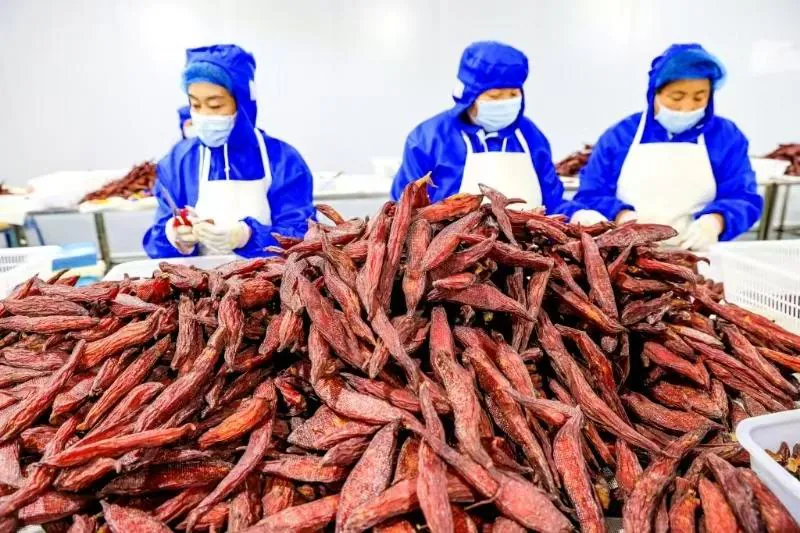
HACCP (Hazard Analysis and Critical Control Points) is an internationally recognized food safety preventive system, promoted by the Codex Alimentarius Commission (CAC) under the UN's FAO/WHO. Its core logic is not 'inspect after completion' butto identify hazards, set critical control points (CCP), and monitor continuously at every production step— keeping risks such as microbes, foreign objects, and chemical residues out before the product leaves the factory.
For buyers, whether a factory has HACCP means two things: first, it has a documented, traceable quality control process rather than relying on a master's intuition; second, it usually also has basic hygiene management such as GMP (Good Manufacturing Practice). This is precisely the hard indicator to check first when screening Chinese food factories.
2. Screening Chinese Food Factories: Five Things to Check One by One
Besides HACCP, responsible overseas buyers usually verify the following five items one by one:
1. Quality and Safety Management System— HACCP is the foundation; some markets also look at retail-end standards such as BRC and IFS (subject to actual certification held).
2. Hygiene Foundation (GMP)— Plant layout, personnel hygiene, and pest control are the foundation on which HACCP can be implemented.
3. Pesticide Residue and Contaminant Control— This is a red line strictly enforced by China, Japan, and Korea. Japan has its 'Positive List System,' and Korea is overseen by MFDS; both set limits on agrochemical residues in imported foods.
4. Compliance Document Chain— A complete set of documents — certificate of origin, health certificate, composition and labeling, third-party test reports — ensures smooth customs clearance in the destination country. The dedicated factory exports via RCEP Export relies on this documentation chain.
5. Destination Country Registration / Market Access— Some countries require overseas manufacturing plants to complete filing or registration before export (see the Japan/Korea sections below).
3. Key Points of Japan Market Access
Japan has two gates for imported food that buyers must know:
Positive List System— It sets 'uniform standards' and specific provisional limits on residues of agrochemicals (pesticides, veterinary drugs, feed additives); unlisted substances are strictly controlled. Chinese food factories must manage the use of agrochemicals at the raw material base throughout to pass this gate steadily.
Radioactivity Requirements— The Ministry of Health, Labour and Welfare (MHLW) sets limits on radioactive substances (such as cesium) in imported foods, with sampling inspections upon arrival. Clear origin and processing records are a prerequisite for smooth customs clearance.
In addition, if a product is positioned as 'organic' and you wish to display the JAS organic mark in Japan, you must obtain Japanese organic certification (JAS).Whether NINGLI currently holds JAS certification is subject to the actual certificate and pending further confirmation— We do not make unfounded promises based on this.
4. Key Points of Korea Market Access
Korea is handled byMinistry of Food and Drug Safety (MFDS)oversees imported food. For Chinese factories, the key step is'Overseas Manufacturing Site Registration': Before export, the overseas production site must complete registration in MFDS's Imported Food Information Portal (IFIS); the Korean importer usually submits as the applicant, and the factory cooperates by providing documents and a Letter of Authorization (LOA). Within its existing export chain, NINGLI follows this collaboration model to help the Korean importer complete registration, thereby gaining compliant delivery capability to Korea.
Similar to Japan, Korea also enforces agrochemical residue standards and labeling regulations; Korean-language labels, composition, and nutrition labeling must meet MFDS requirements.
5. How NINGLI Does It: Turning Compliance into Deliverable Fulfillment
For overseas buyers, NINGLI's difference lies not in 'talking about compliance' but in implementing it in three places:
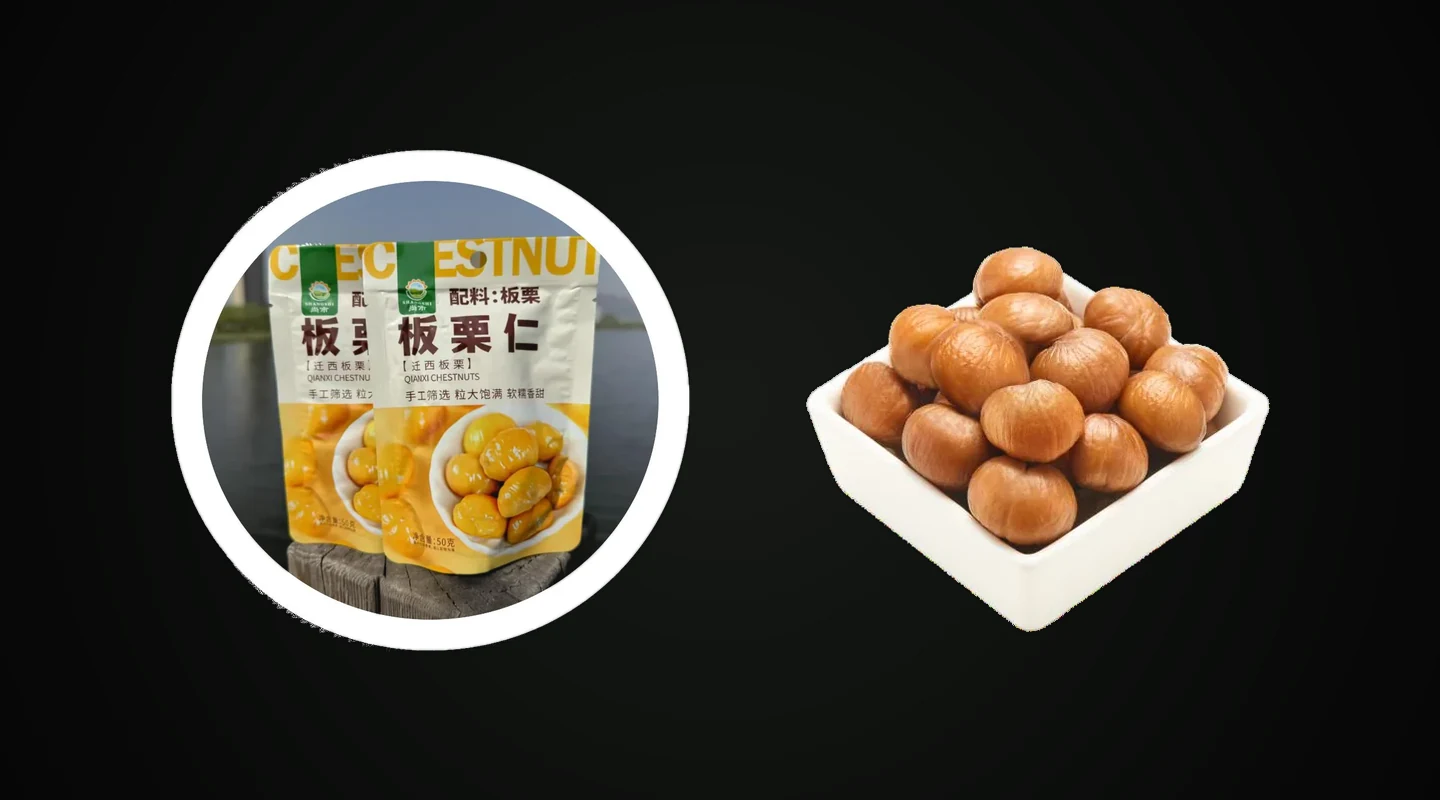
1. HACCP Certified and Operating ✅— This is a confirmed system foundation; the dedicated Qianxi factory (Shangshi Foods) uses it throughout for quality control.
2. Controllable Varieties and Origins at the Source— Using Hongyao and other high-quality raw materials,Qianxi Chestnut Geographical-indication production areas form the foundation, lowering both pesticide-residue and consistency risks right from the raw-material stage.
3. Cooperating with Destination Country Market Access— Whether it is Japan's Positive List / radioactivity requirements or Korea's MFDS Overseas Manufacturing Site Registration and Korean-language labeling, NINGLI can cooperate with the destination country and importer to complete compliance actions and provide the required documents and certificates (specific certifications are subject to actual certificates held and can be provided upon request).
In other words, what NINGLI delivers is not just a box of Dried Sweet Potato (干し芋), but a chain that catches 'variety — quality control — compliance — export.' This is why we recommend that buyers place HACCP and destination-country access capability first when evaluating suppliers.
Closing
In food export, compliance is the 1, and everything else is the zeros after it. HACCP is the hardest stroke in that '1'; and Japan and Korea's respective Positive Lists and MFDS registration are the concrete actions that translate compliance into 'clearing customs.' In the next article, we get to the most practical step: OEM/ODM contract manufacturing — from specification sheet to delivery, how should overseas buyers collaborate with Chinese factories.
View NINGLI's certifications → Contact NINGLI to assess export compliance