RCEP Benefits: how China's dried sweet potato exports to Japan and Korea get tariff cuts, and how to use them
In 2026, NINGLI's supply chain, relying on its dedicated factory Qianxi Shangshi Foods Co., Ltd., exported via RCEP the RCEP channel a batch of Dried Sweet Potato to Japan, accompanied by an RCEP certificate of origin. This is not an ordinary order, but the implementation of a regional free trade agreement in real trade. For Chinese food factories and overseas buyers wanting to enter the Japan and Korea markets, what tangible dividends does RCEP actually bring? And how can the dividend be reflected in orders?
1. What Is RCEP: The First 'Tariff-Cutting Net' Among China, Japan, and Korea
RCEP (Regional Comprehensive Economic Partnership) entered into force in 2022, covering 15 countries: China, Japan, Korea, the ten ASEAN countries, Australia, and New Zealand. Its special significance lies in:China-Japan and China-Korea previously had no bilateral free trade agreement, and RCEP is the first time the three parties mutually reduce tariffs through the same framework. For agricultural trade long constrained by tariff barriers, this is a structural positive.
For processed agricultural products like Dried Sweet Potato, tariffs directly affect the final landed price and channel margins — a small tariff cut often means one more shelf slot and a bit more quoting room.
2. What It Means for Dried Sweet Potato: Tariff Concession Dividend
For processed agricultural products like Dried Sweet Potato, under RCEP China's exports to Japan and Korea can enjoy tariff concessions — that is, compared with the MFN rate, a lower agreement rate applies with an RCEP preferential certificate of origin, and some categories gradually approach zero after a transition period.
One thing to note:The final agreement rate, reduction pace, and transition period for each tariff code are subject to the source country's official tariff and customs broker's determination, and this article does not list specific tariff numbers to avoid distortion. In practice, having the customs broker confirm the applicable rate based on product classification and the RCEP tariff schedule before export is the safest approach.
3. How to Reflect the Dividend in Orders: Certificate of Origin + Compliance
The RCEP dividend does not arrive automatically; it must be caught by three things:
1. Certificate of Origin (FORM R / RCEP Certificate)— This is the core document for enjoying the benefit. The exporter must meet requirements such as regional value content per the rules, apply to the issuing authority, and submit it with the goods to the importer for customs tariff reduction.
2. Compliance and Sanitary Access— Tariff is only the first door. Japan and Korea have their own sanitary, pesticide residue (Positive List), and labeling requirements for imported foods; NINGLI uses HACCP its HACCP system for full-process quality control precisely to minimize compliance risk.
3. Complete Customs Clearance Documents— Only with a complete set of documents — certificate of origin, packing list, invoice, health certificate — can the goods smoothly enjoy the benefit and be released in the destination country. Qianxi Shangshi Foods Co., Ltd.'s 2026 export to Japan is exactly because the chain was proven that the dividend truly landed on the order.
4. How NINGLI Does It: Compliant Export and OEM That Can Be Undertaken
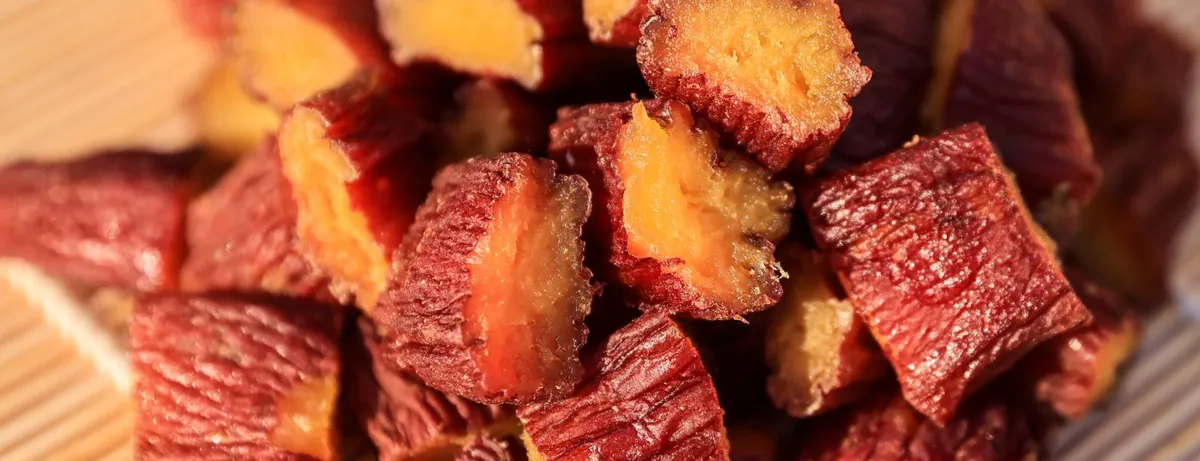
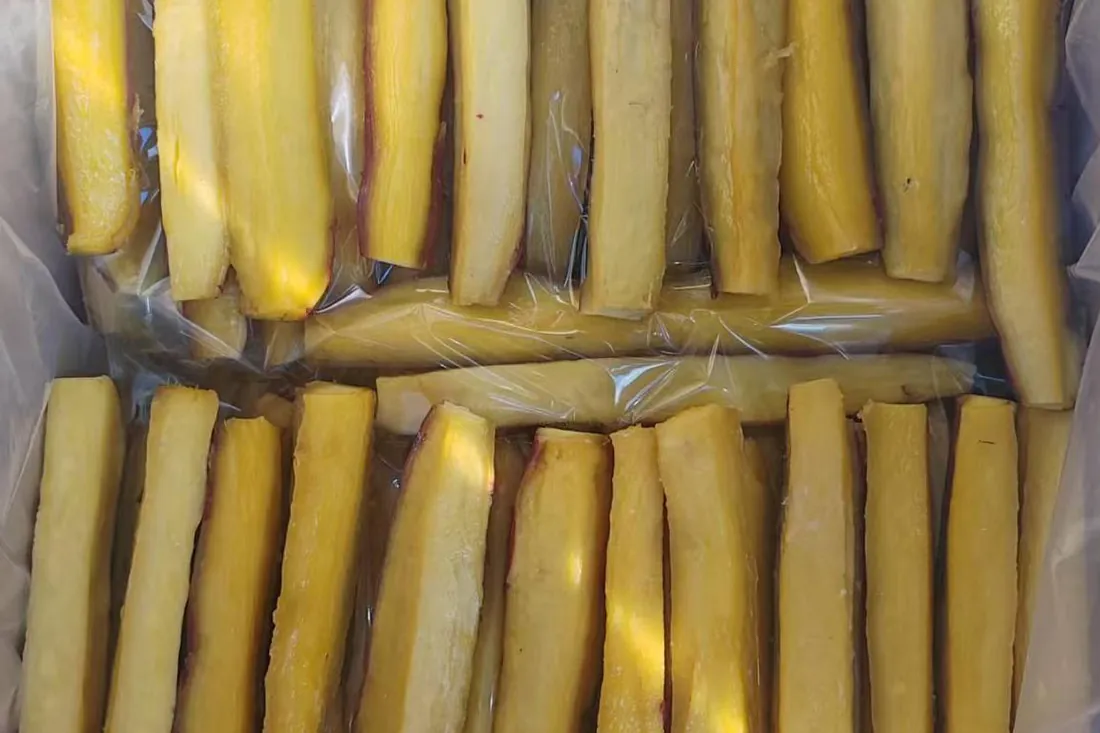
For overseas buyers, NINGLI's value is not just 'can ship' but packaging the three things above well: based at the dedicated Qianxi factory, adopting Hongyao and other high-quality raw materials, relying on HACCP and full-process traceable processing Dried Sweet Potato (干し芋); then compliantly exporting to Japan and Korea via the RCEP channel and providing certificate-of-origin support, giving buyers a better landed cost.
This is consistent with Qianxi Chestnut 's export logic: good varieties, good origins, good compliance, plus agreement dividends, form the replicable path for China's geographically indicated agricultural products to reach the world.
If you are evaluating Japan/Korea supply of China's Dried Sweet Potato, or want to customize your own brand via OEM/ODM, feel free to learn about NINGLI's sweet potato series and export collaboration — we can, based on your destination country and tariff code, work with the customs broker to confirm the applicable RCEP rate and provide a more precise quotation.
Closing
RCEP is not a slogan, but a tariff-cutting net that can be spread across the quotation sheet. For Japan and Korea buyers, its meaning is lower landed cost and a more stable supply chain; for NINGLI, its meaning is a compliance export chain that has been proven in practice. In the next article, we will talk about OEM/ODM contract manufacturing: from specification sheet to delivery, how should overseas buyers collaborate with Chinese factories.
View dried sweet potato products → Contact NINGLI to get a quote